Choosing the right steel grade is one of the most important decisions in any construction, engineering or industrial project. The correct material can influence strength, durability, corrosion resistance, weldability, fabrication performance and the overall reliability of a structure or component.
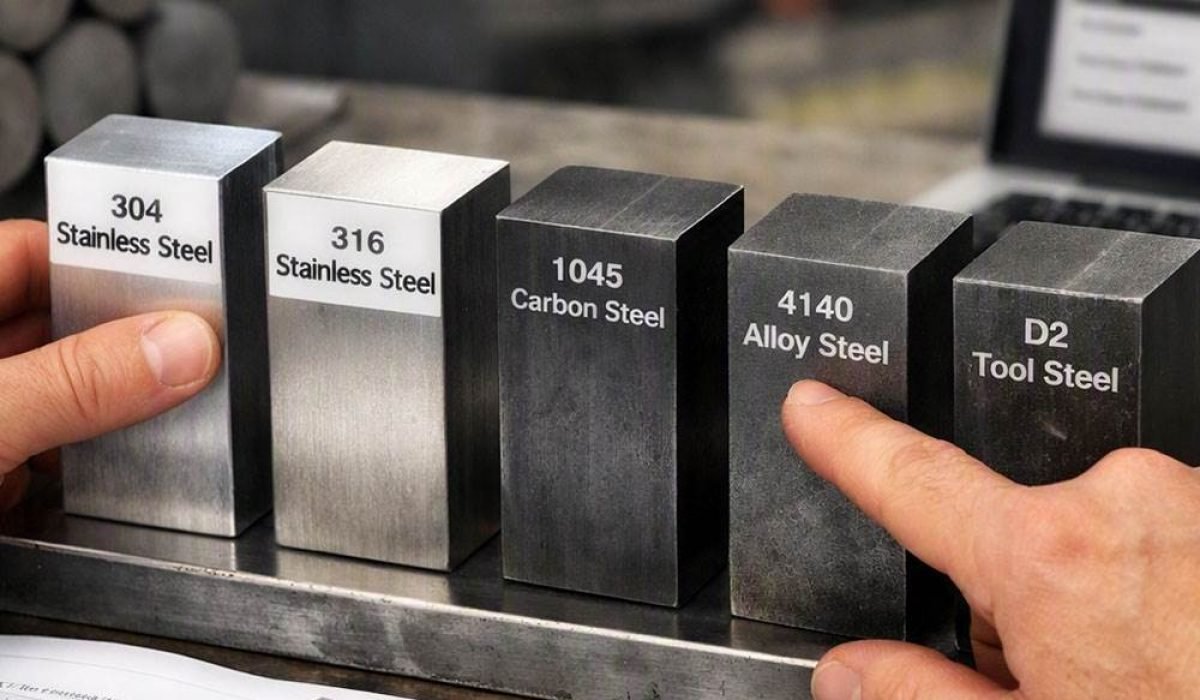
With carbon steel, stainless steel and alloy steel available in different grades and specifications, choosing the right steel grade requires a clear understanding of the project’s application, operating environment, technical requirements and applicable standards.
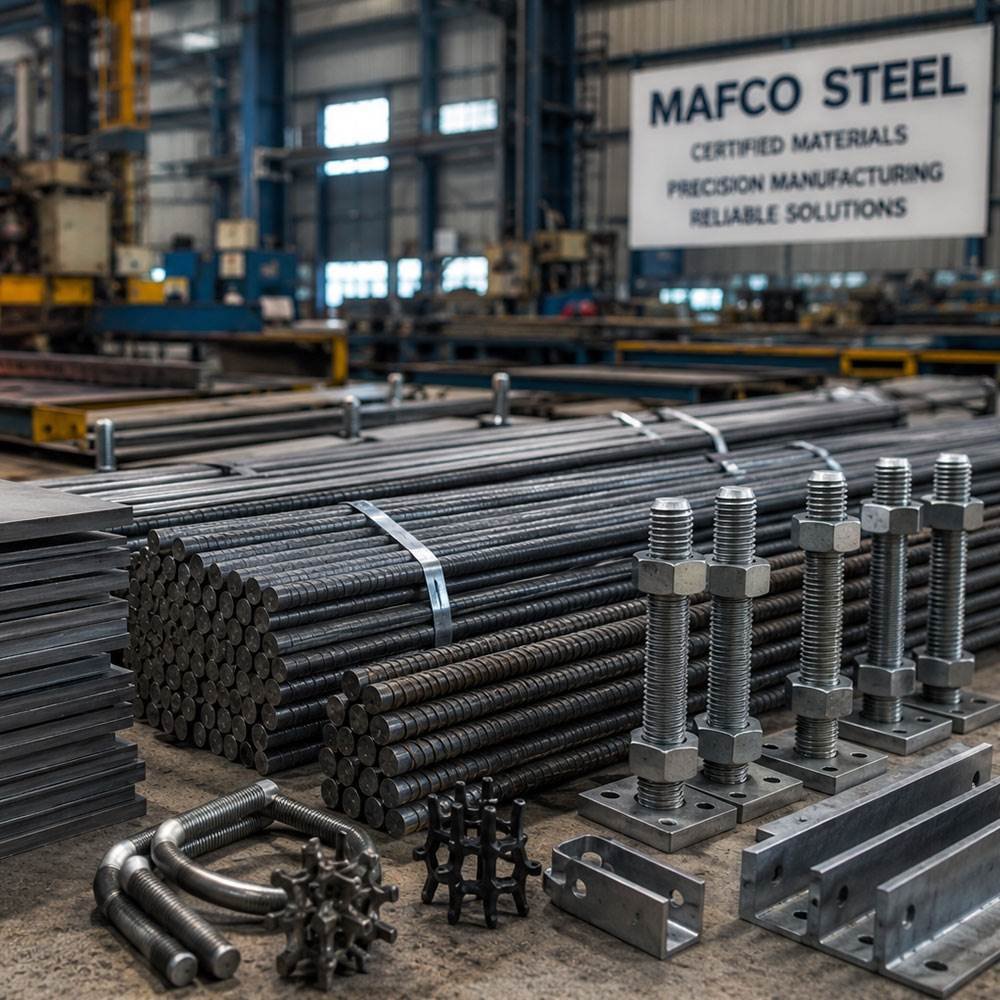
At MAFCO Steel, we supply certified steel materials for structural, industrial and fabrication applications. Our range includes carbon steel plates, stainless steel plates, carbon steel round bars, stainless steel round bars and alloy steel round bars in recognized grades and specifications.
Why Choosing the Right Steel Grade Matters
Steel is not a one-size-fits-all material. Different grades are designed to provide different combinations of mechanical properties, corrosion resistance and fabrication characteristics.
Choosing the right steel grade can help project teams achieve the required performance while avoiding unnecessary material costs or technical problems.
An unsuitable grade may affect:
- Structural strength
- Product durability
- Weldability
- Corrosion resistance
- Machining and fabrication
- Service life
- Project compliance
- Overall project cost
For this reason, engineers, contractors and procurement teams should evaluate the intended application and project specifications before purchasing steel.
Understanding the Main Types of Steel
MAFCO Steel’s product range includes carbon steel, stainless steel and alloy steel products, including plates and round bars.
Carbon Steel
Carbon steel is widely used for structural fabrication, construction and general engineering applications.
MAFCO Steel offers carbon steel plates including:
- ASTM A36
- ASTM A572 Grade 50
The catalogue identifies these materials for structural fabrication, construction and general engineering applications.
Carbon steel round bars are also available in grades including:
- ASTM A36
- ASTM A572 Grade 50
- ASTM A615 Grade 40
- ASTM A615 Grade 60
- DIN 17100 ST.52-3
- EN 10025 S275 JR
- EN 10025 S355 JR
When choosing a carbon steel grade, the required mechanical properties, application and project specification should always be considered.
Stainless Steel
Stainless steel is often considered when corrosion resistance and durability are important requirements.
MAFCO Steel offers stainless steel plates according to ASTM A240/480 specifications in:
- Grade 304 / 304L
- Grade 316 / 316L
The company’s catalogue identifies these grades for demanding industrial and critical applications where corrosion resistance and durability are important.
Stainless steel round bars are also available in:
- ASTM A276
- Grade 304 / 304L
- Grade 316 / 316L
The appropriate stainless steel grade should be selected according to the operating environment, required corrosion resistance and project specification.
Alloy Steel
Alloy steel is used where specific mechanical performance requirements call for specialized material properties.
MAFCO Steel’s listed alloy steel round bar grades include:
- ASTM A193 B7
- AISI 4140
- AISI 4340
Choosing the right steel grade for an alloy-steel application should be based on the engineering specification, service conditions and required mechanical performance.
7 Factors to Consider When Choosing the Right Steel Grade
1. Application
Start by identifying exactly how the steel will be used.
A material intended for structural fabrication may have different requirements from one used for industrial components, construction accessories or heavy engineering applications.
Understanding the application is the first step in choosing the right steel grade for the project.
2. Required Strength
Strength is a fundamental consideration when selecting structural or engineered steel.
Project specifications may define requirements for yield strength, tensile strength and other mechanical properties.
For example, MAFCO Steel’s catalogue includes several carbon steel grades for different structural and engineering requirements.
The required strength should always be determined from the project’s engineering design and applicable specification rather than simply selecting the strongest available material.
3. Corrosion Resistance
The operating environment can have a major influence on material selection.
Projects exposed to moisture, chemicals or demanding industrial environments may require greater corrosion resistance and durability.
Stainless steel grades such as 304/304L and 316/316L are included in the MAFCO Steel range for applications where corrosion resistance is an important consideration.
Understanding the environment is therefore an essential part of choosing the right steel grade.
4. Fabrication and Weldability
The selected steel should be compatible with the project’s fabrication processes.
Consider whether the material will need to be:
- Welded
- Cut
- Formed
- Machined
- Drilled
- Fabricated
The MAFCO Steel catalogue identifies its carbon steel plates for structural fabrication, construction and general engineering applications.
Fabrication requirements should be reviewed before finalizing a material specification.
5. Applicable Standards
Always confirm the required material standard before ordering steel.
Steel products may be specified according to standards such as:
- ASTM
- AISI
- EN
- DIN
MAFCO Steel’s product range includes materials specified according to these internationally recognized systems.
ASTM steel standards cover the classification, evaluation and specification of different types of steel used in construction, industrial components and other applications.
European Standards, commonly identified by EN, are developed through the European standardization system.
DIN standards are developed through Germany’s national standardization system and are widely referenced in engineering and industrial specifications.
Using the correct standard helps ensure that the supplied material matches the project’s engineering and procurement requirements.
6. Dimensions and Availability
Material grade is only one part of the selection process.
Before ordering, confirm:
- Thickness
- Diameter
- Length
- Product form
- Quantity
- Required tolerances
- Availability
A technically suitable grade may not meet the project requirement if the available dimensions or product form are unsuitable.
MAFCO Steel supplies plates, round bars and a range of manufactured steel components to support different construction and industrial requirements.
7. Project Documentation and Quality Requirements
For many professional projects, material selection involves more than choosing a grade.
Procurement teams may need to confirm:
- Material certificates
- Product specifications
- Inspection requirements
- Test documentation
- Traceability
- Applicable standards
Choosing the right steel grade should therefore be considered together with the project’s quality and documentation requirements.
Steel Grade Selection for Different Applications
Different industries can require different approaches to material selection.
Construction
Construction projects may require structural plates, round bars, anchor bolts, dowel bars, spacers, fixing systems and other steel components.
MAFCO Steel provides products for construction applications, including anchor bolts, spacers, formwork accessories, dowel bars and fixing products.
For structural applications, the selected steel should match the engineering design, required strength, fabrication requirements and applicable standards.
Infrastructure
Infrastructure projects often require dependable steel products capable of meeting defined engineering specifications and dimensional requirements.
Choosing the right steel grade for infrastructure applications should take into account structural loads, environmental exposure, fabrication requirements and expected service conditions.
Petrochemical and Oil-Field Applications
Industrial environments can impose demanding requirements on steel materials.
MAFCO Steel’s catalogue identifies petrochemical industries and oil fields among the sectors it supports.
For these applications, engineers should carefully evaluate material grade, corrosion resistance, mechanical properties, operating conditions and applicable standards before finalizing the specification.
Heavy Engineering
Heavy engineering applications can involve demanding mechanical and fabrication requirements.
Carbon steel, stainless steel and alloy steel may be suitable for different applications depending on the project’s technical requirements.
The final material selection should always be based on the applicable engineering specification and service conditions.
Practical Steel Selection Checklist
Before ordering steel for a project, ask the following questions:
What is the application?
Where and how will the steel be used?
Which material type is required?
Is carbon steel, stainless steel or alloy steel appropriate?
Which grade is specified?
What exact grade has been identified by the engineer or project specification?
Which standard applies?
Is the requirement based on ASTM, AISI, EN, DIN or another standard?
What strength is required?
What yield strength, tensile strength or other mechanical properties are necessary?
What is the operating environment?
Will the material be exposed to moisture, chemicals, heat or other demanding conditions?
What fabrication processes are required?
Will the material need welding, machining, cutting or forming?
What dimensions are required?
Confirm thickness, diameter, length and product form.
What documentation is required?
Confirm material certificates, inspection documentation and traceability requirements.
Why Work With a Reliable Steel Supplier?
Choosing the right steel grade is only the beginning. The quality and traceability of the supplied material are equally important.
A reliable steel supplier should be able to provide products that match the required specifications and support customers with appropriate product information and technical documentation.
MAFCO Steel sources and processes certified materials intended for structural, industrial and fabrication applications.
For engineers, contractors and procurement teams, working with a dependable supplier can make the material procurement process more efficient and help ensure that the selected products align with project requirements.
Making the Right Steel Choice
There is no single steel grade that is ideal for every application. The best choice depends on the project’s engineering requirements, operating environment, fabrication processes, applicable standards, dimensions and required performance.
By clearly defining these requirements before purchasing, project teams can make more informed decisions and select materials appropriate for their intended application.
Choosing the right steel grade can contribute to reliable performance, efficient fabrication and long-term project value.
At MAFCO Steel, our range of steel products and precision-engineered solutions is designed to support construction, infrastructure and demanding industrial applications across Saudi Arabia.
Need Help With Your Steel Requirement?
Whether you are sourcing steel plates, round bars, dowel bars, anchor bolts or other engineered steel products, the MAFCO Steel team can discuss your project requirements and help you identify the appropriate product specification.
Request a Quote
Contact MAFCO Steel